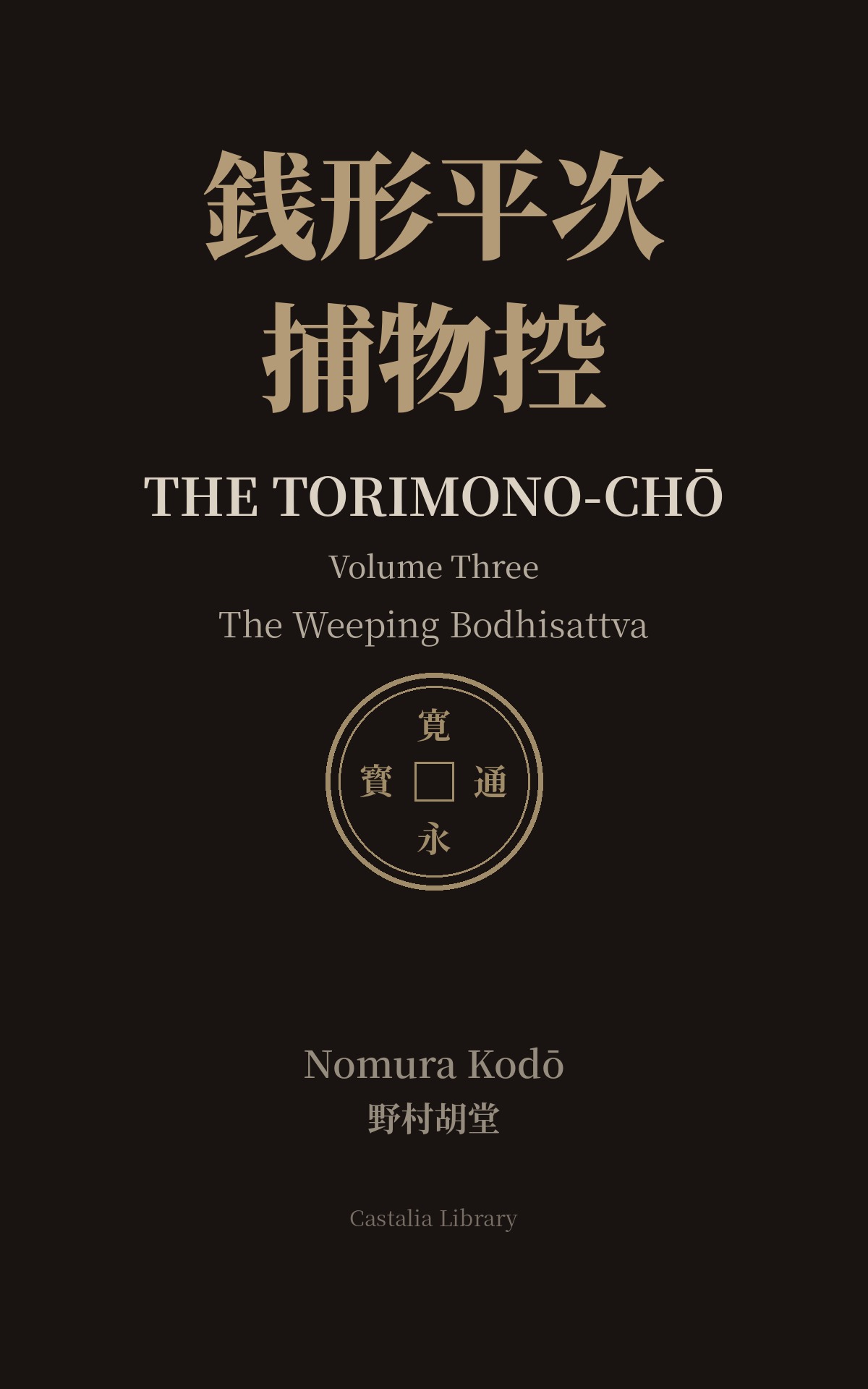
The Weeping Bodhisattva
by Kodō Nomura
Book 3 of Torimono-Chō
From $9.99/month — 3 ebooks per month
About this book
The third volume of The Torimono-chō finds Zenigata Heiji navigating a darker and more varied gallery of Edo-period crime. The collection opens with “The Killing of Ayakichi,” plunging Heiji into a murder investigation, and follows with “The Phantom Mingorō,” in which a criminal seemingly operating under a dead man’s identity haunts the streets. The title story, “The Weeping Bodhisattva,” centers on a mystery involving a Buddhist statue — one of Nomura Kodō’s characteristic blends of the sacred and the criminal, where religious devotion and human greed prove inseparable. “The Folly Palace” and “Unseasonable Bloom” showcase the author’s gift for atmospheric settings, while “The Wet Strongboxes” turns on a puzzle of waterlogged money chests that only Heiji’s lateral thinking can unravel.
The volume’s second half deepens the collection’s range. “Footprints in the Alley” and “The Bloodstained Bath” are classic locked-room-style mysteries that test Heiji’s powers of physical deduction, while “The Riddle of the Keyhole” plays on the theme of surveillance and hidden observation. The collection closes with three stories that share an undercurrent of manipulation and performance: “The Puppet Minister,” “The One-Woman Band,” and “The Lure of the Puppets” — the last of which brings the puppet motif full circle, ending the volume on a note of theatrical artifice concealing genuine menace. Throughout, the partnership between the quick-witted Heiji and his loyal but bumbling sidekick Hachi continues to provide the comic counterweight that keeps even the grimmest cases from becoming oppressive.
- Published
- January 1, 1931