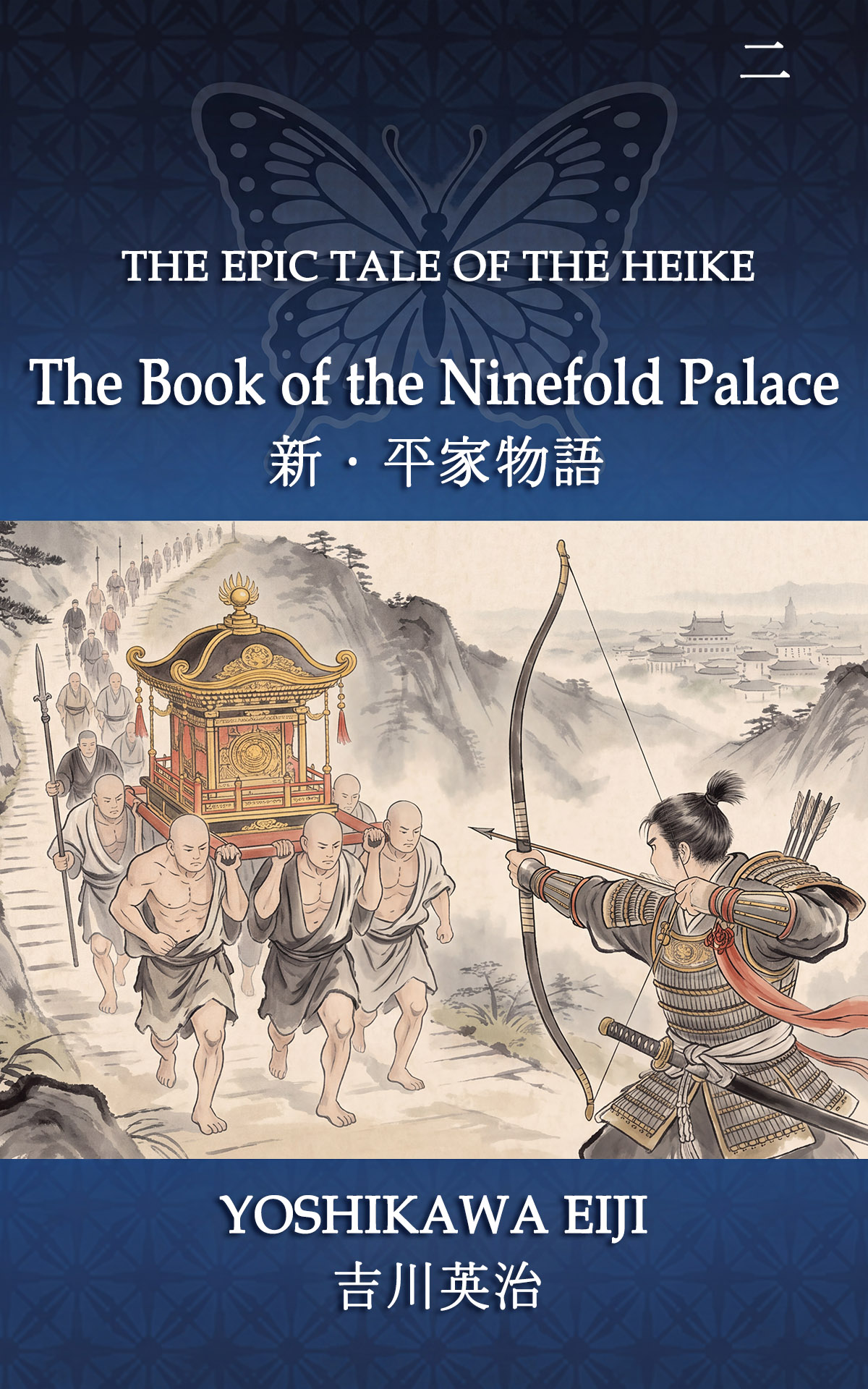
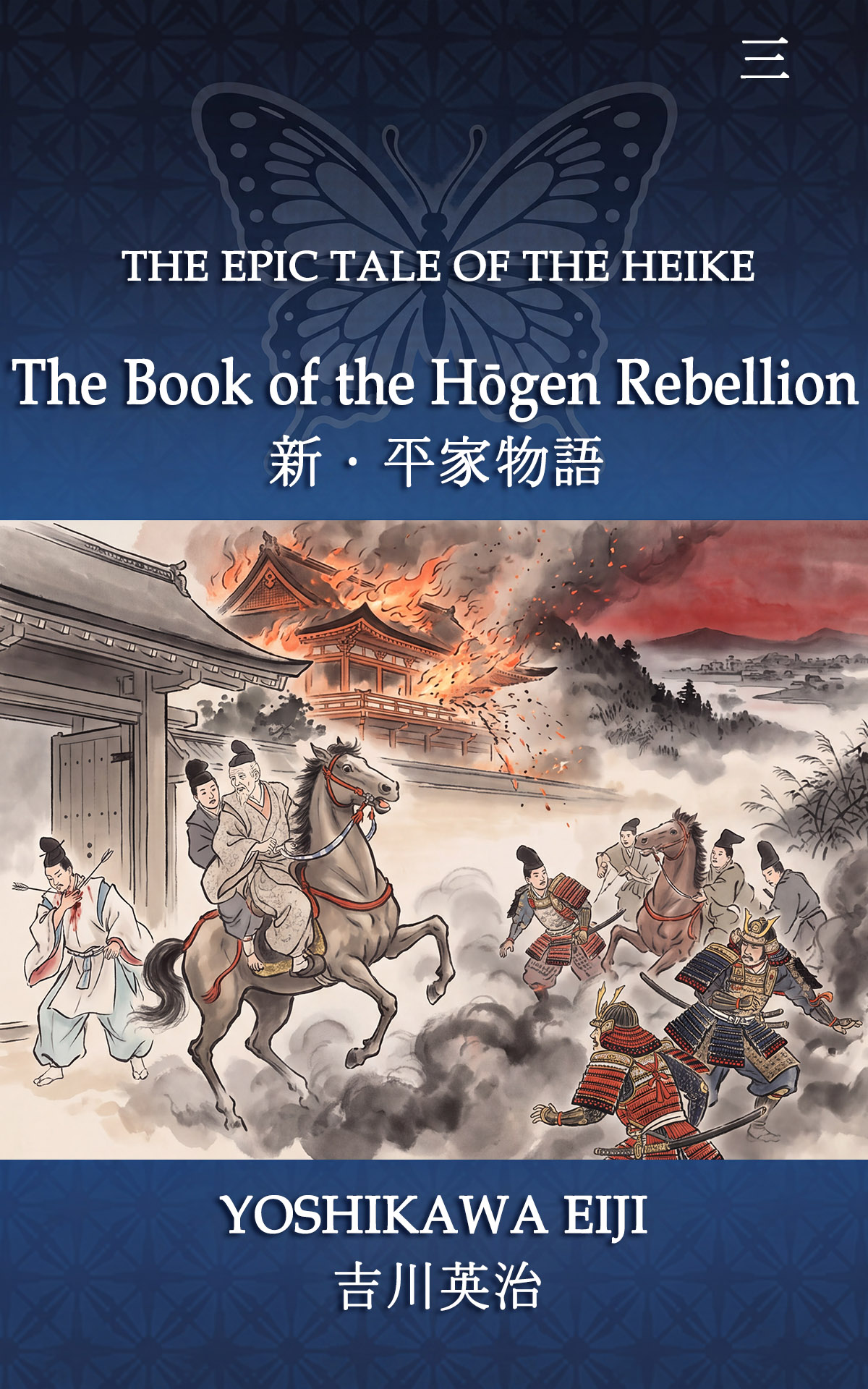
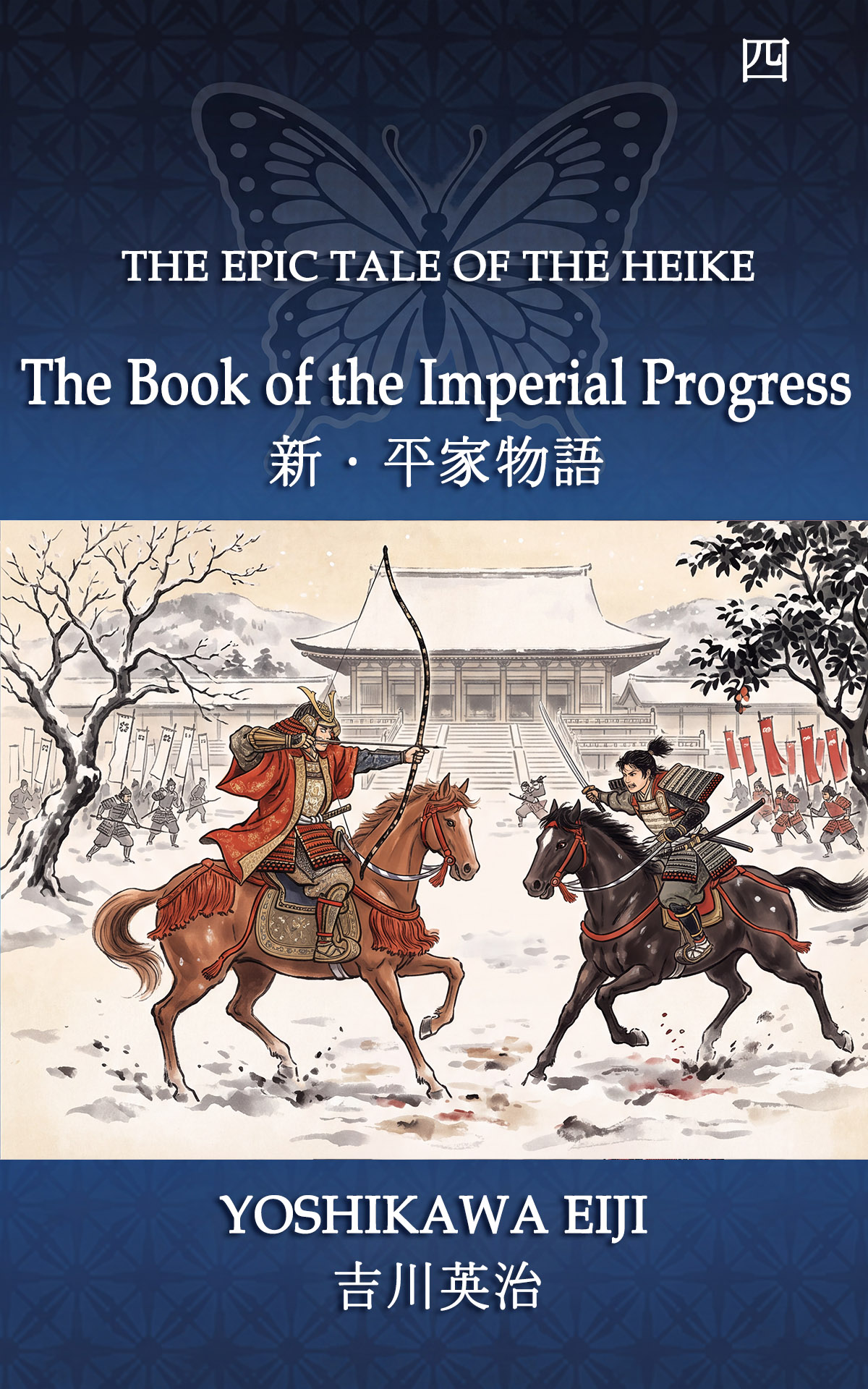
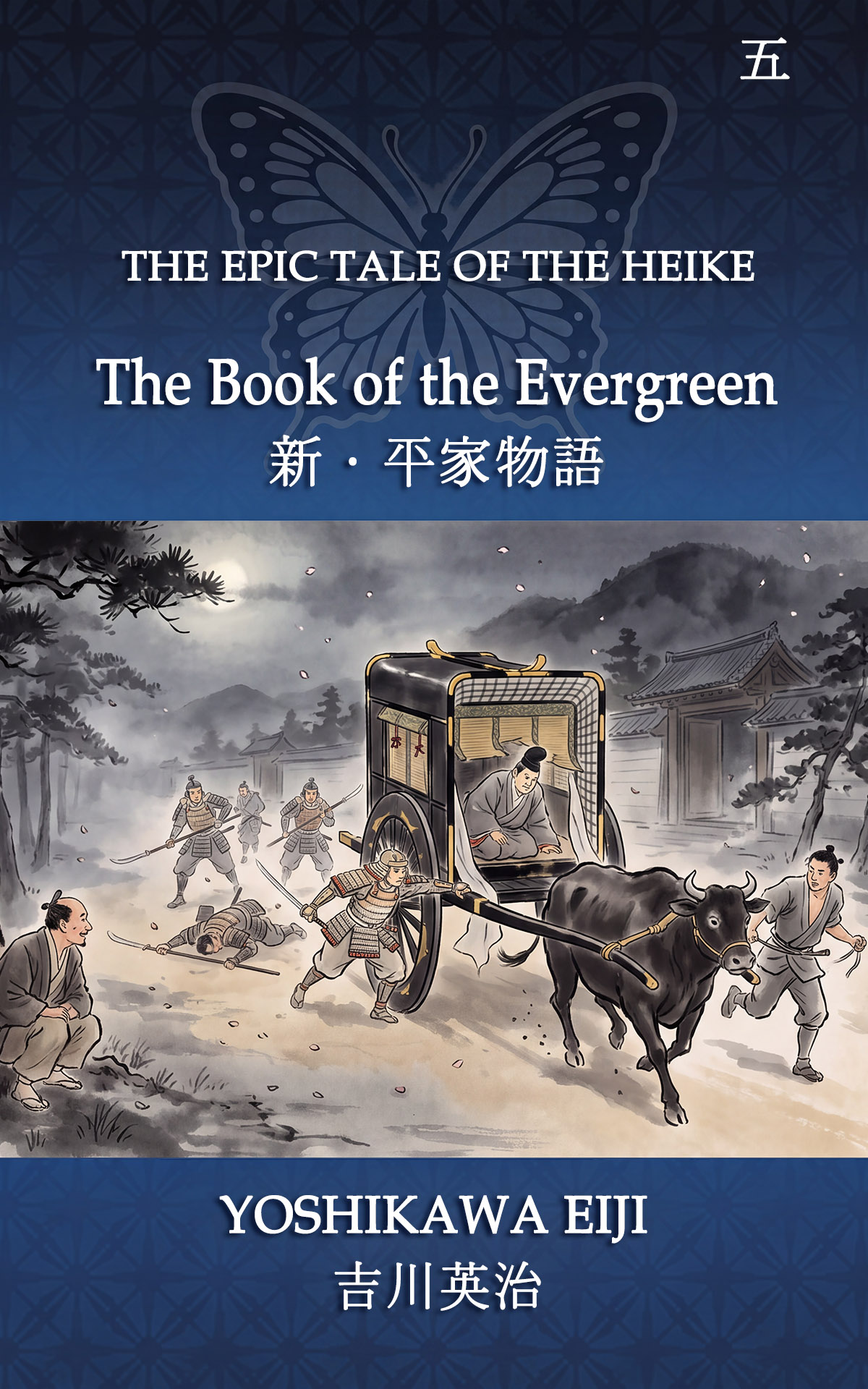
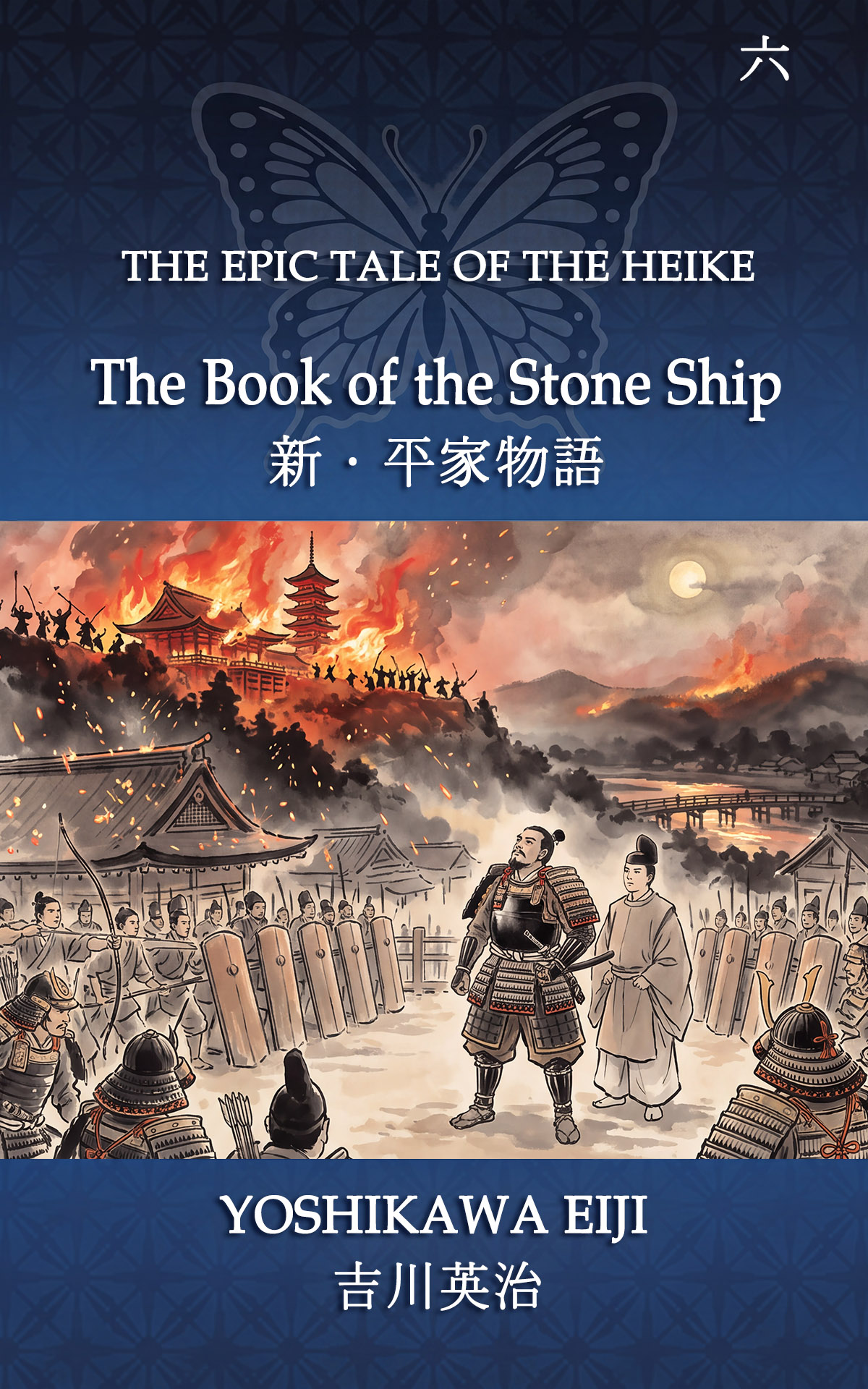
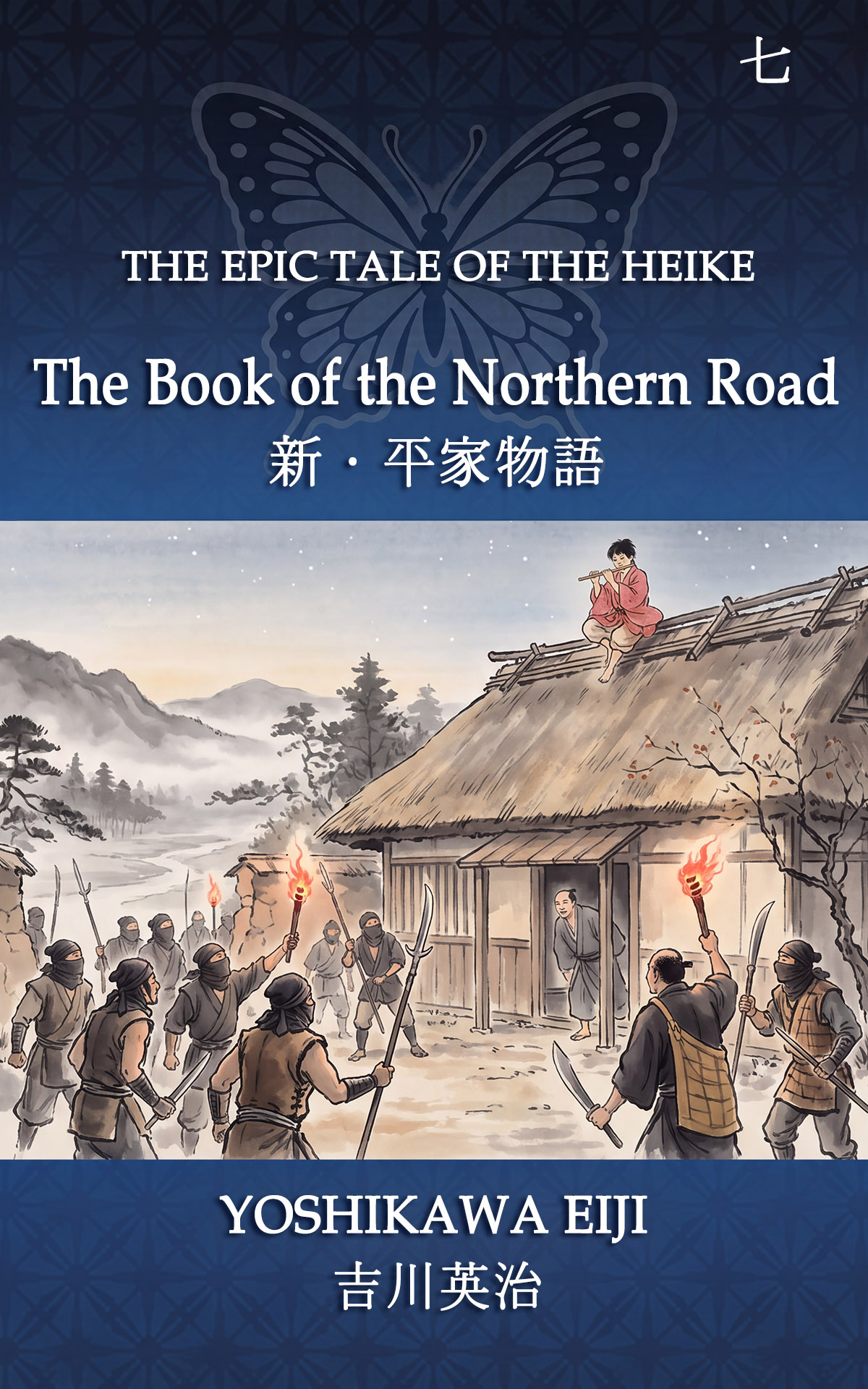
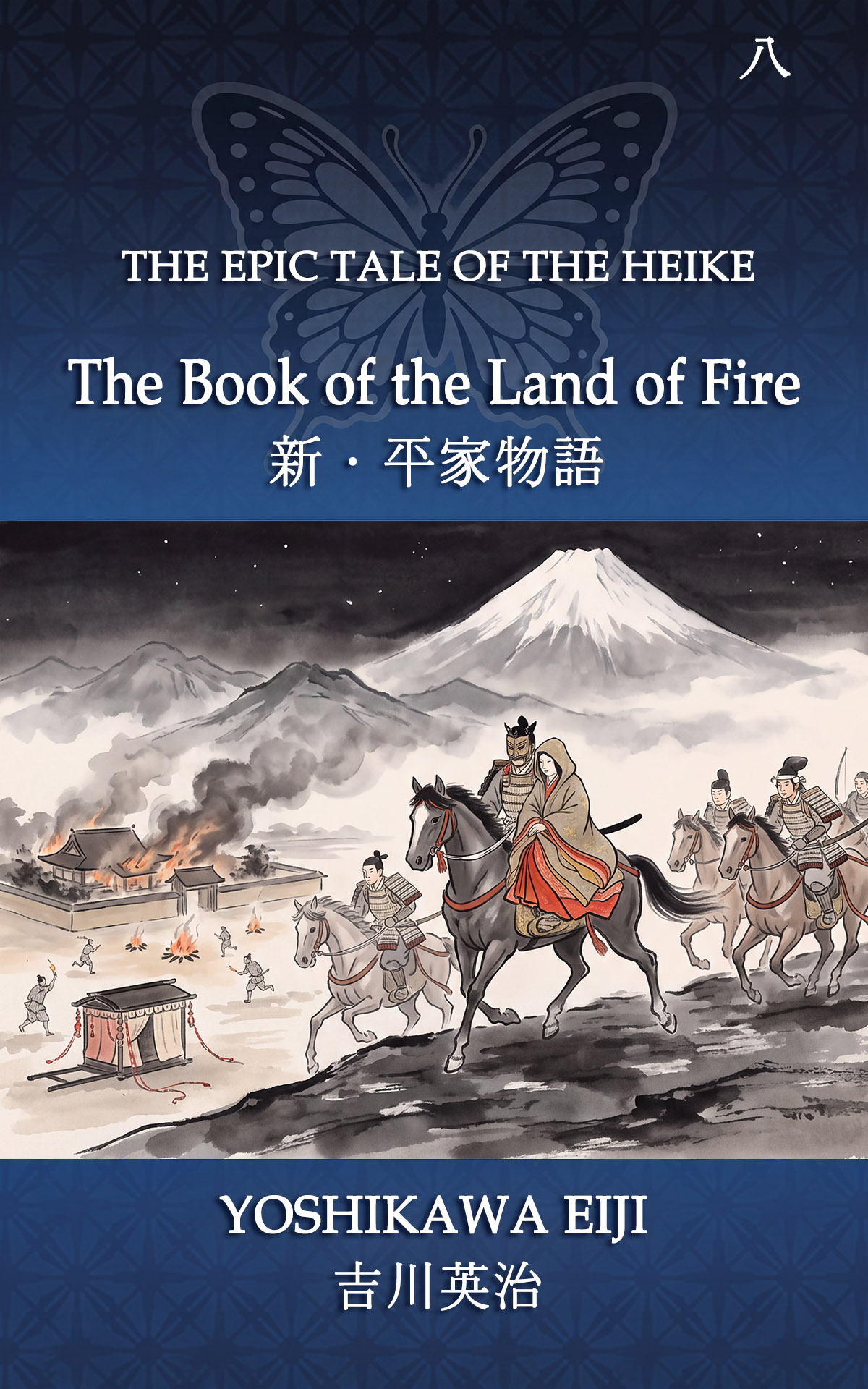
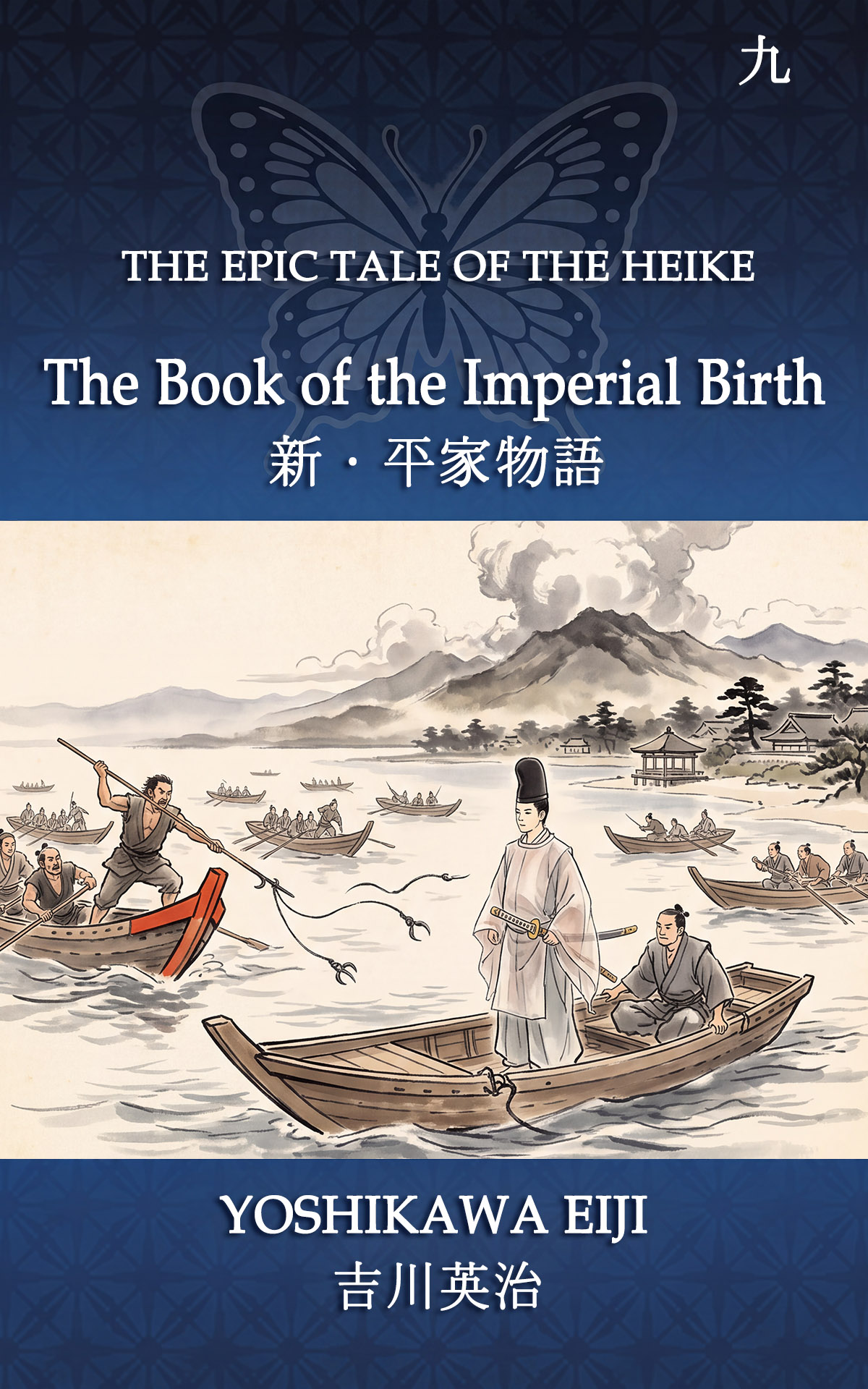
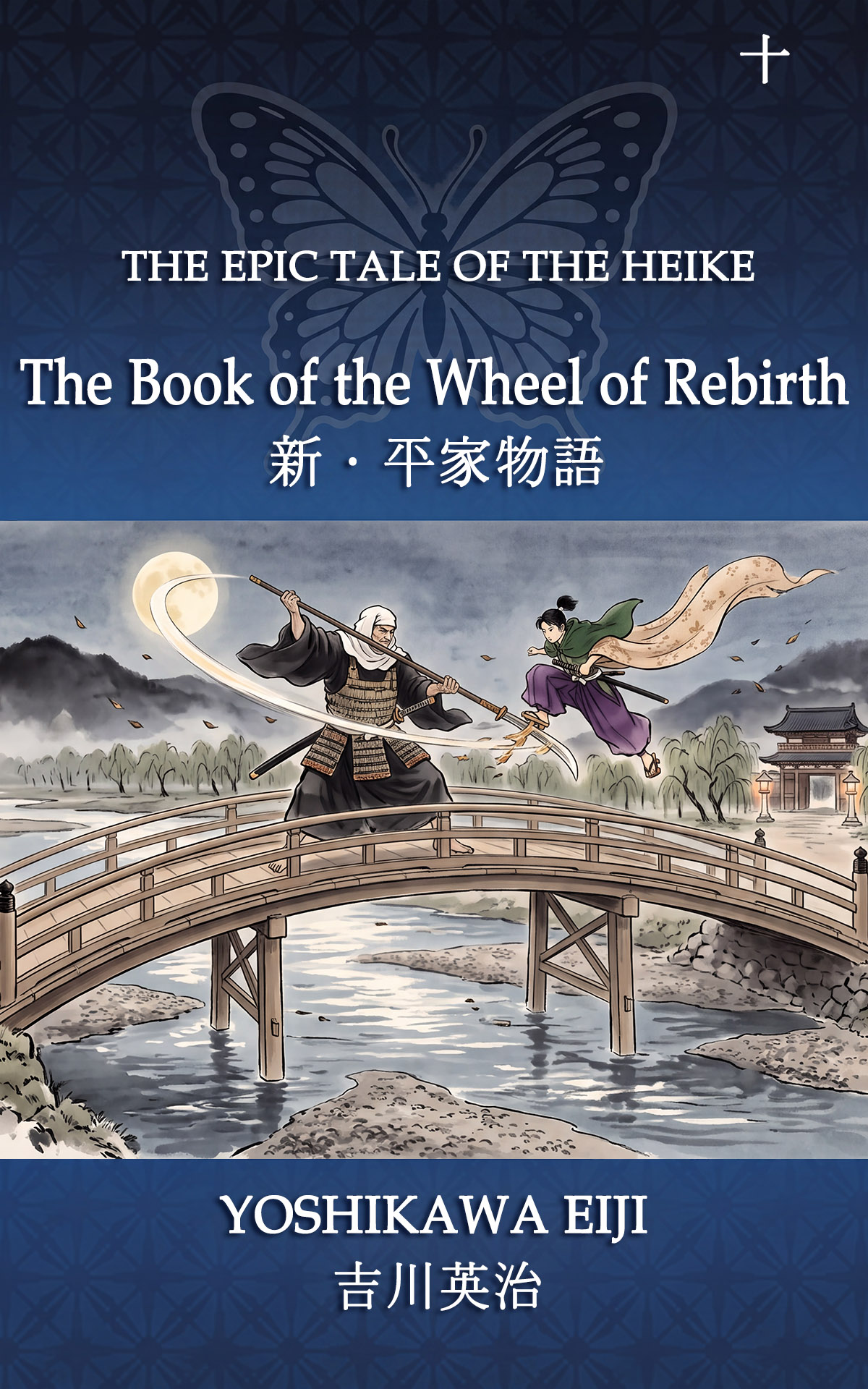
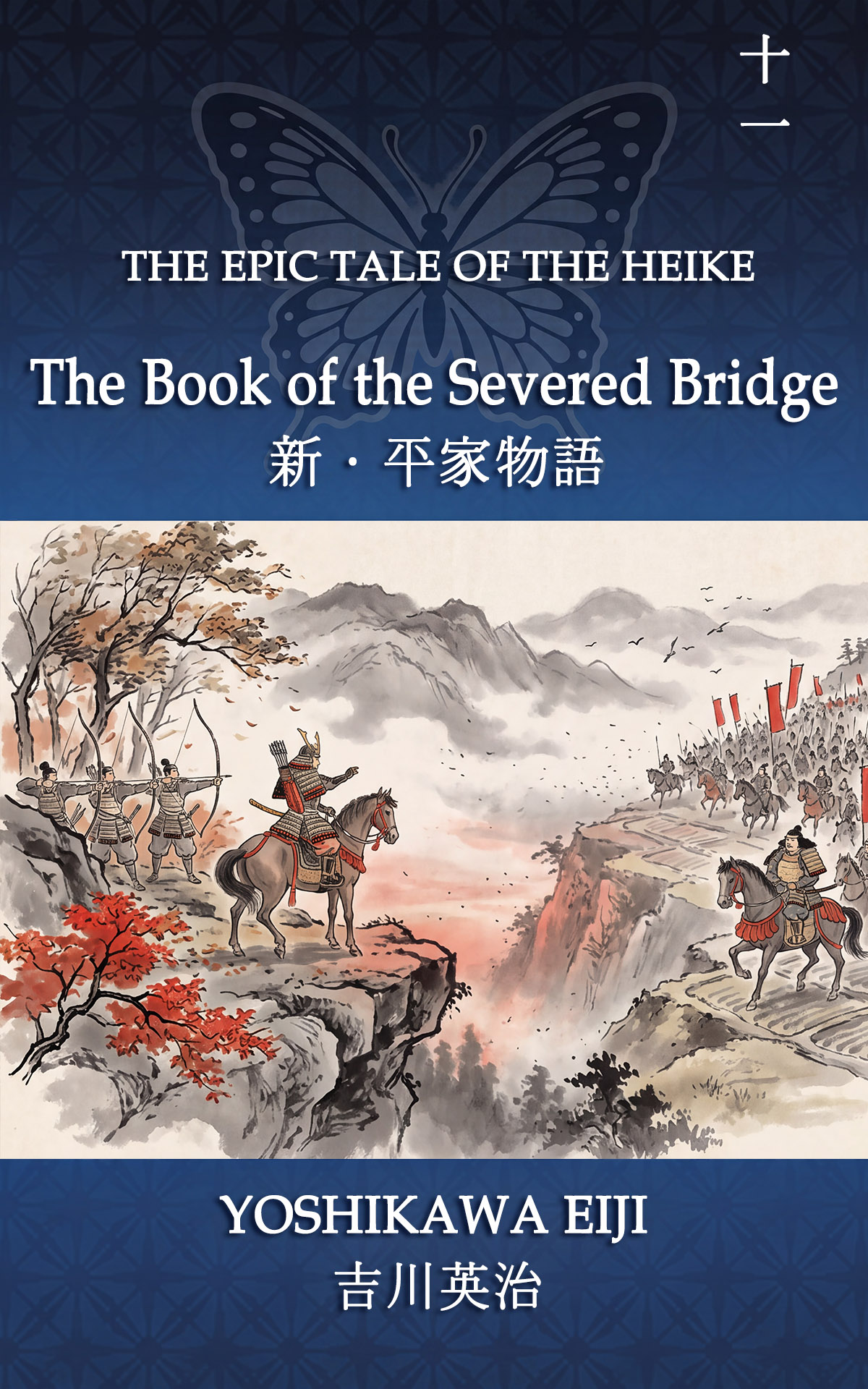
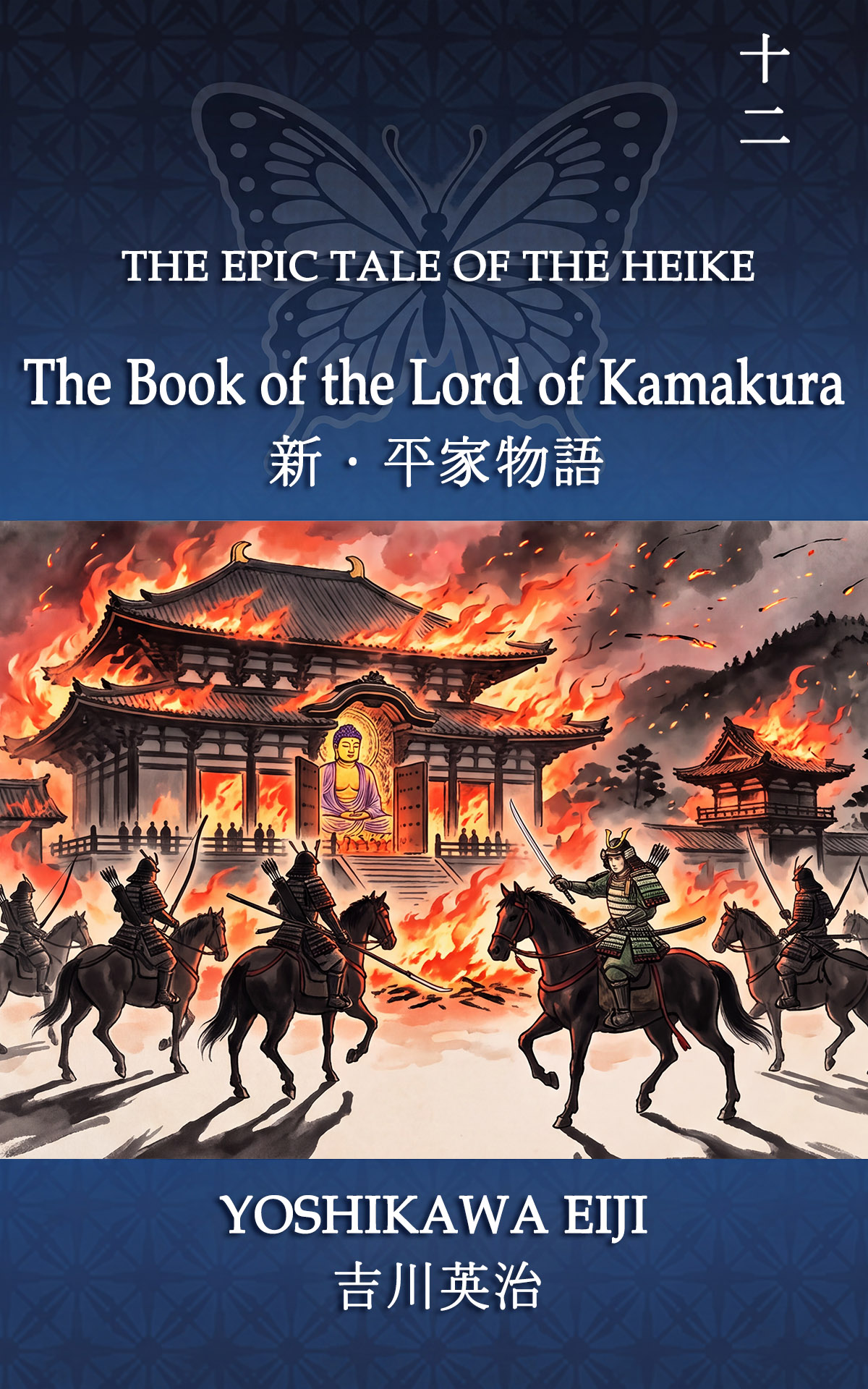
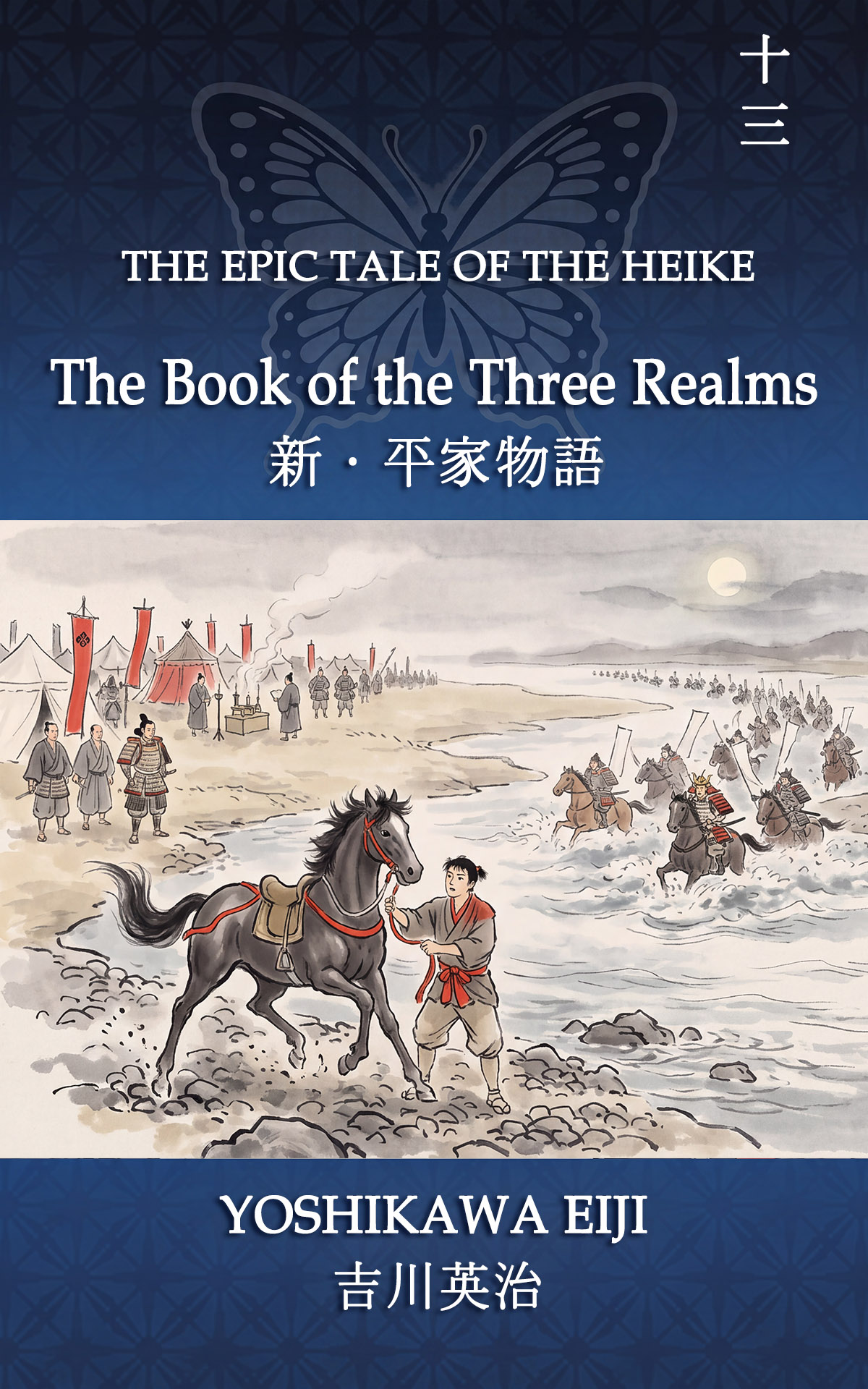
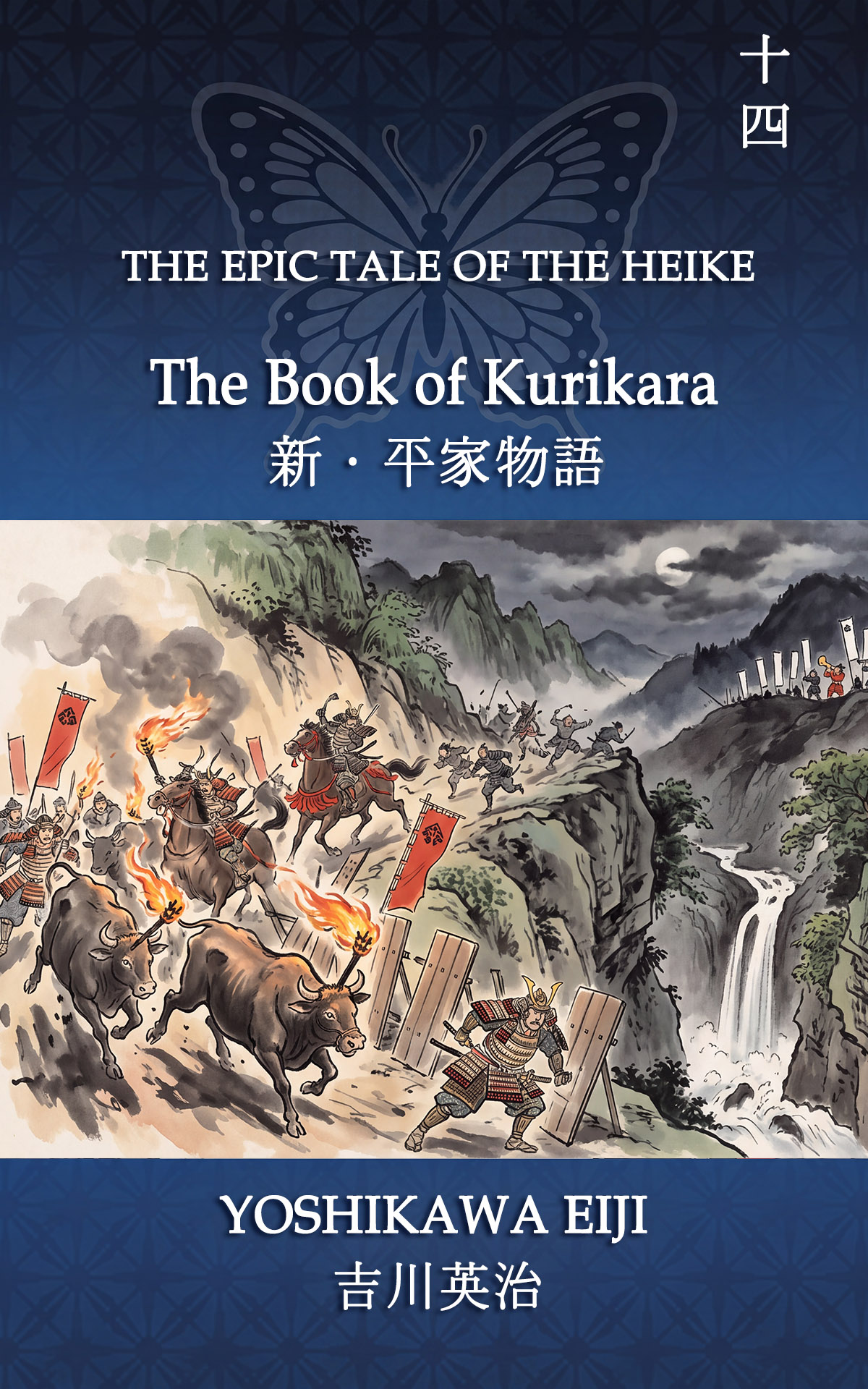
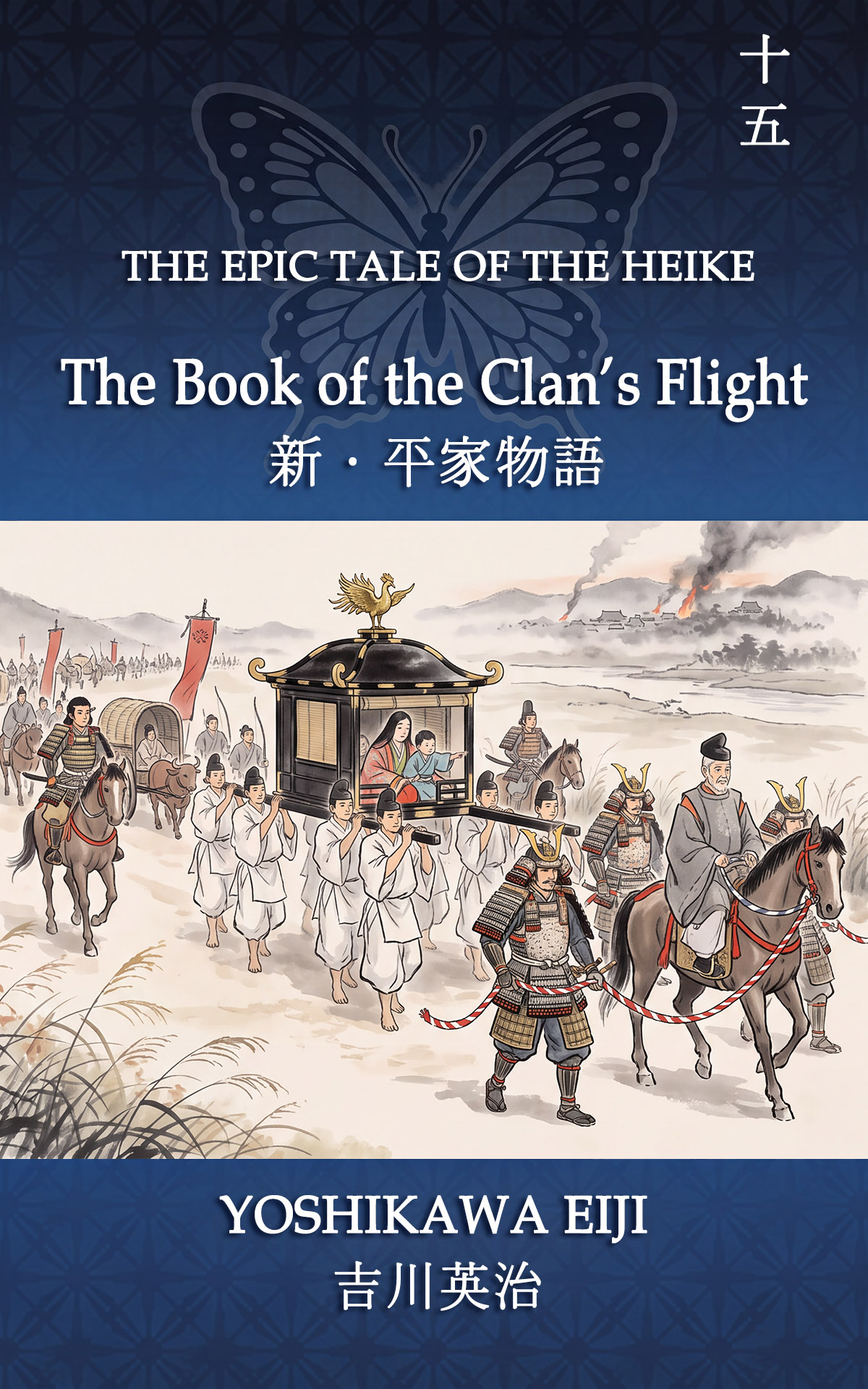
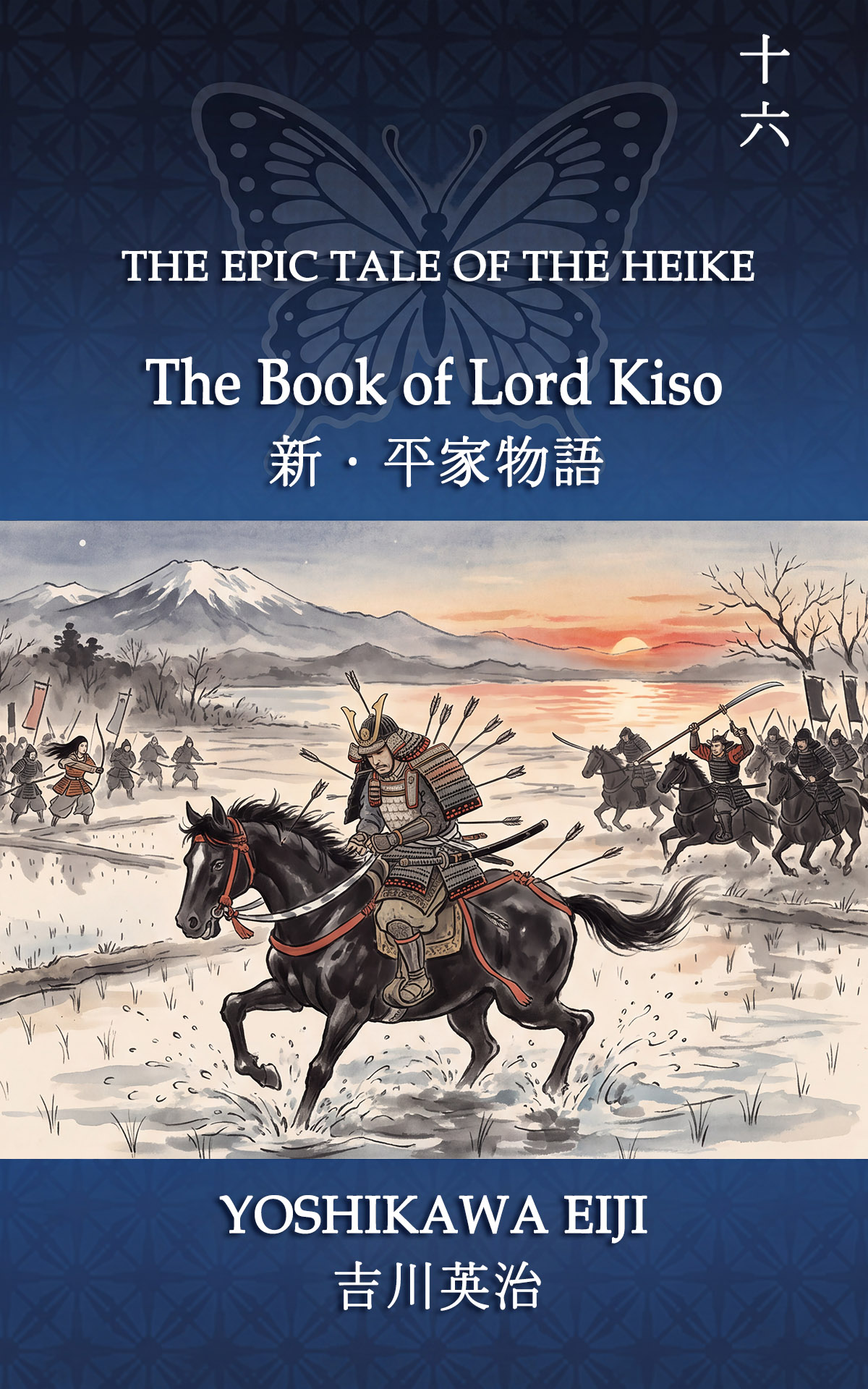
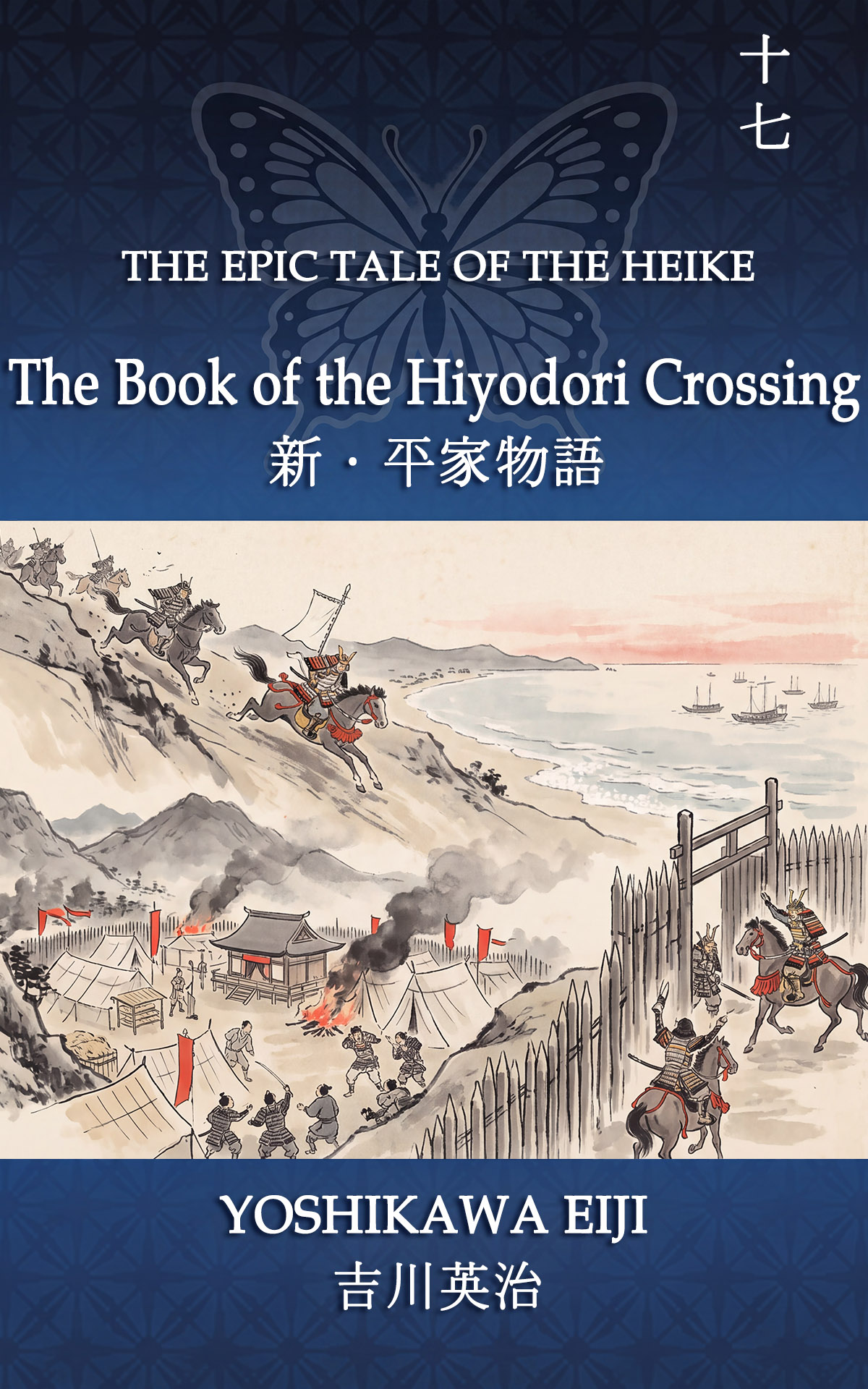
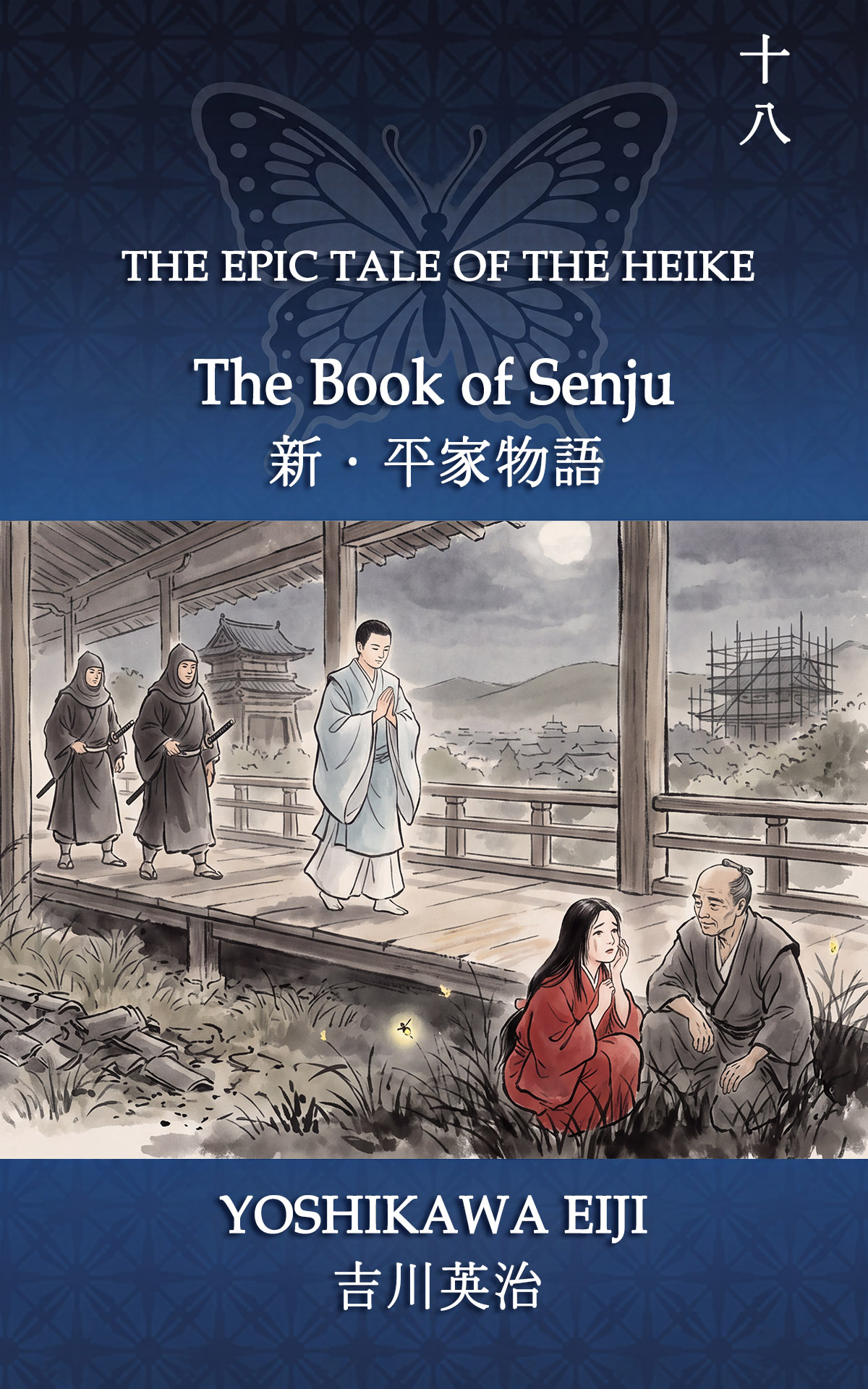
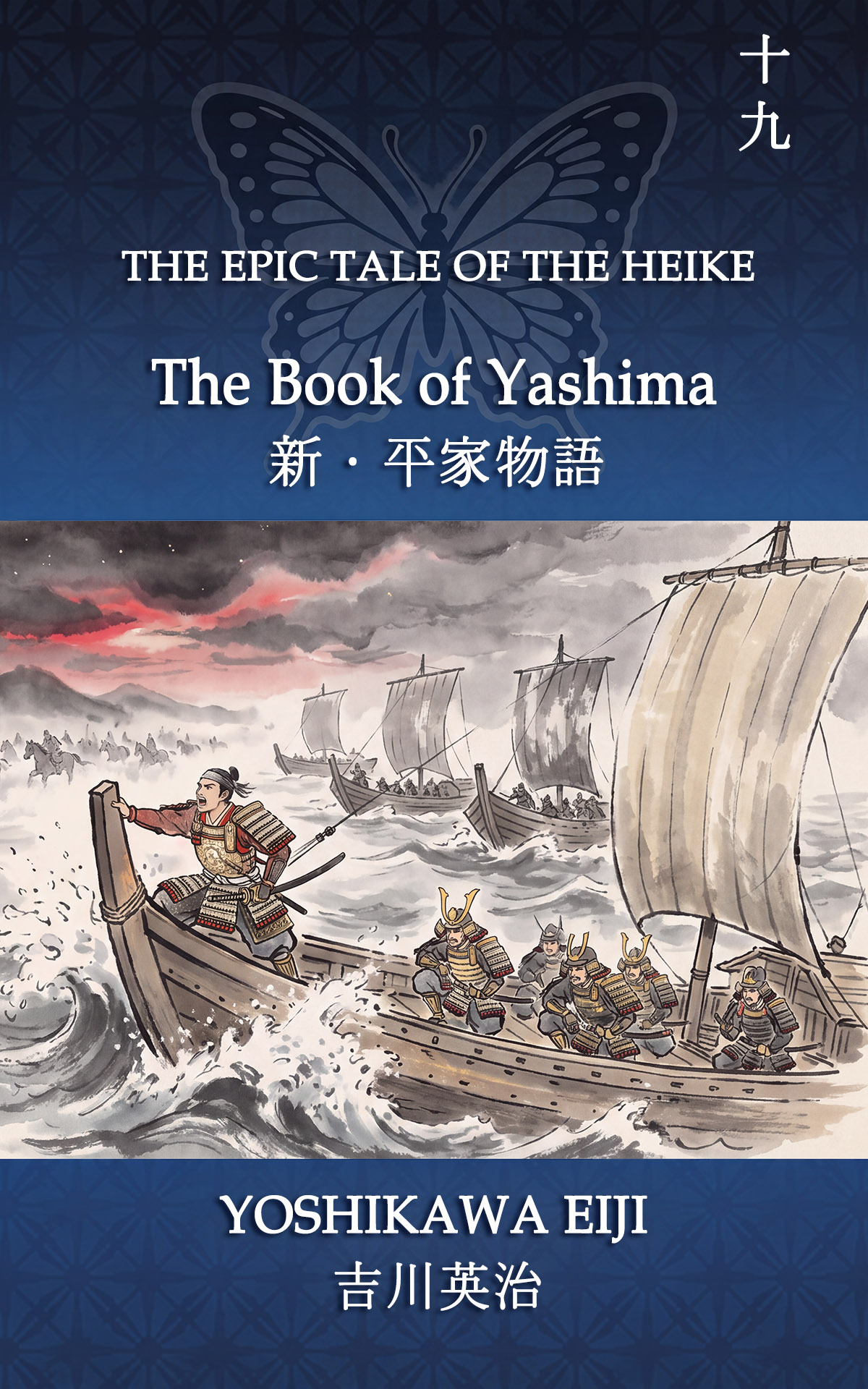
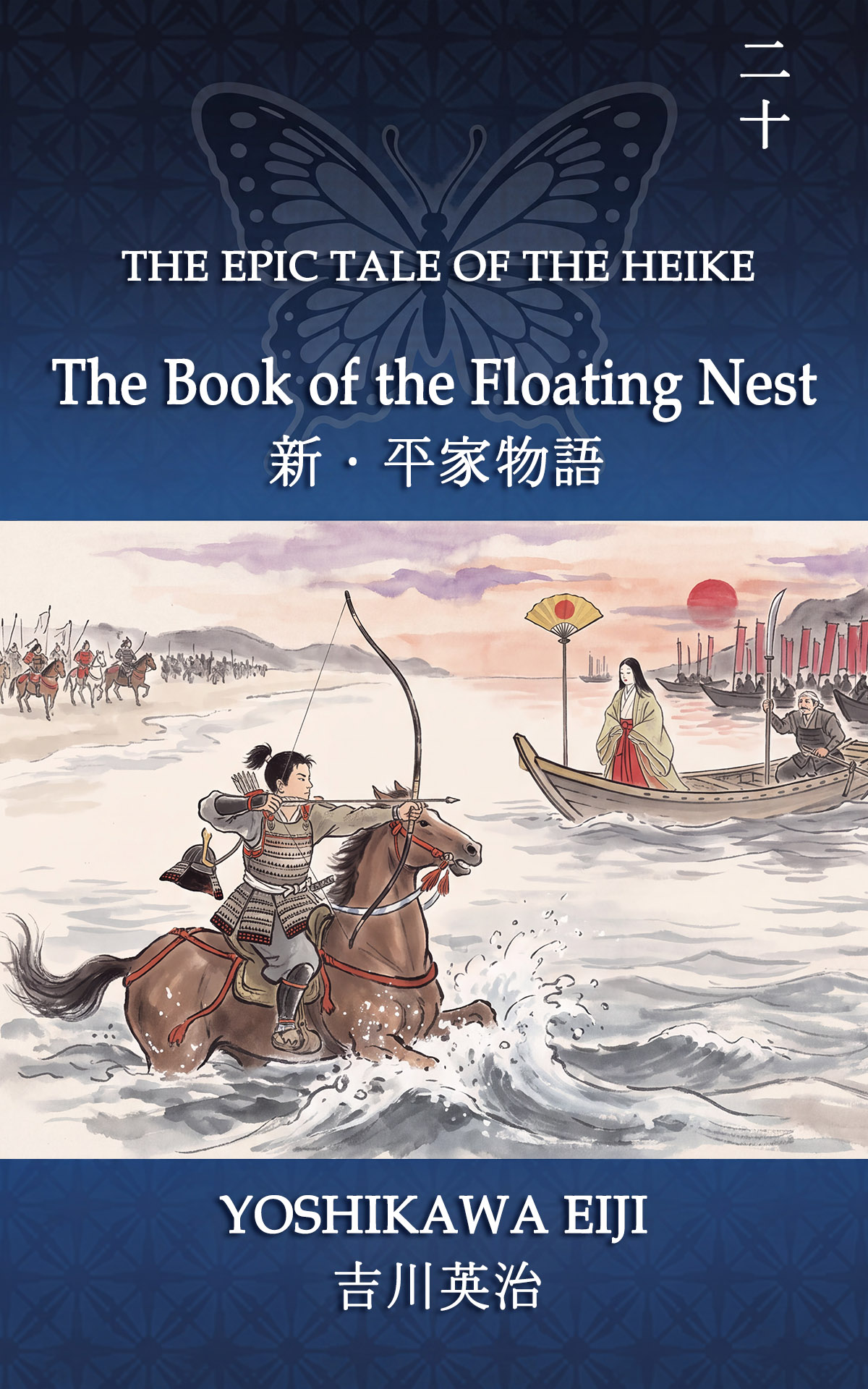
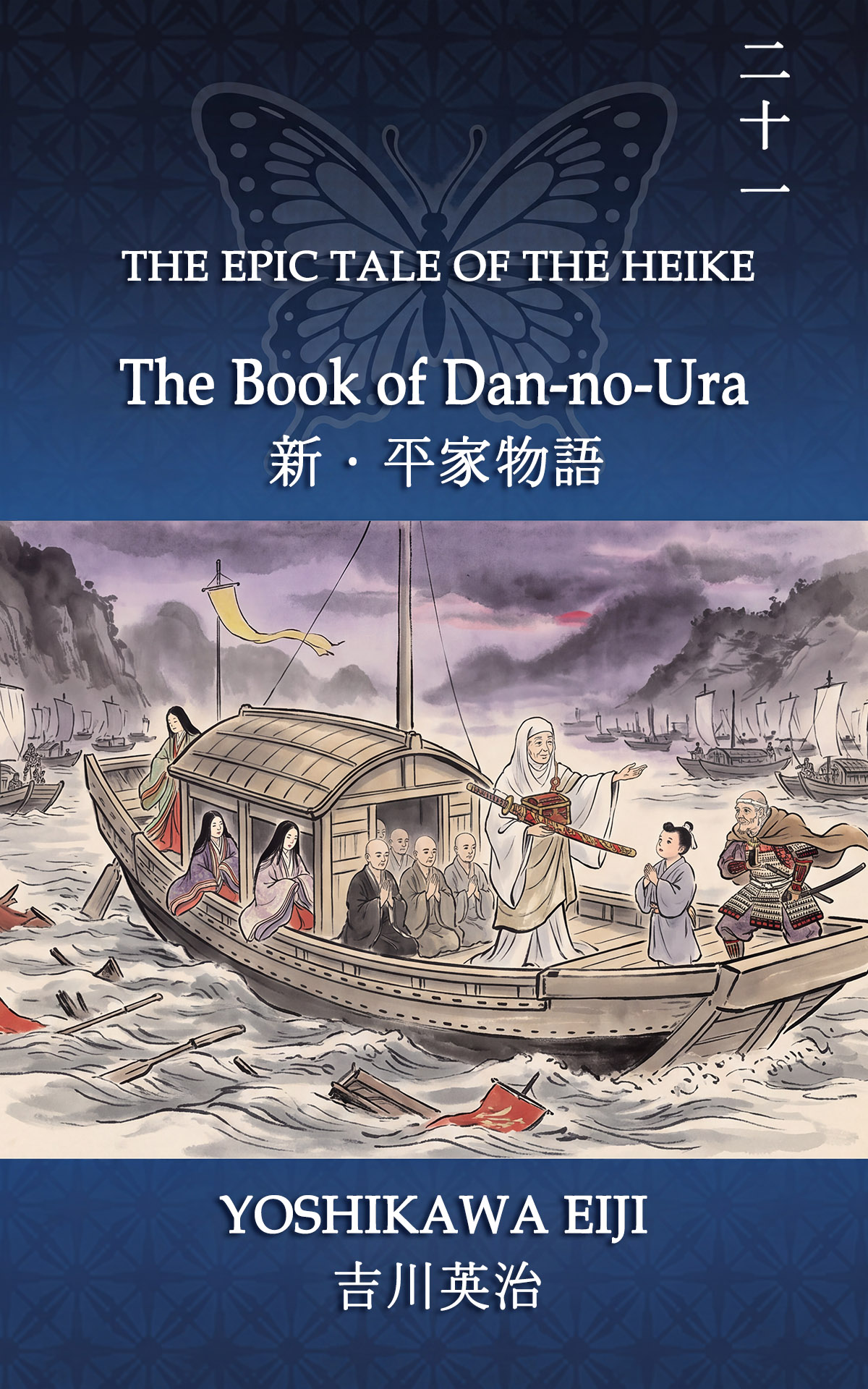
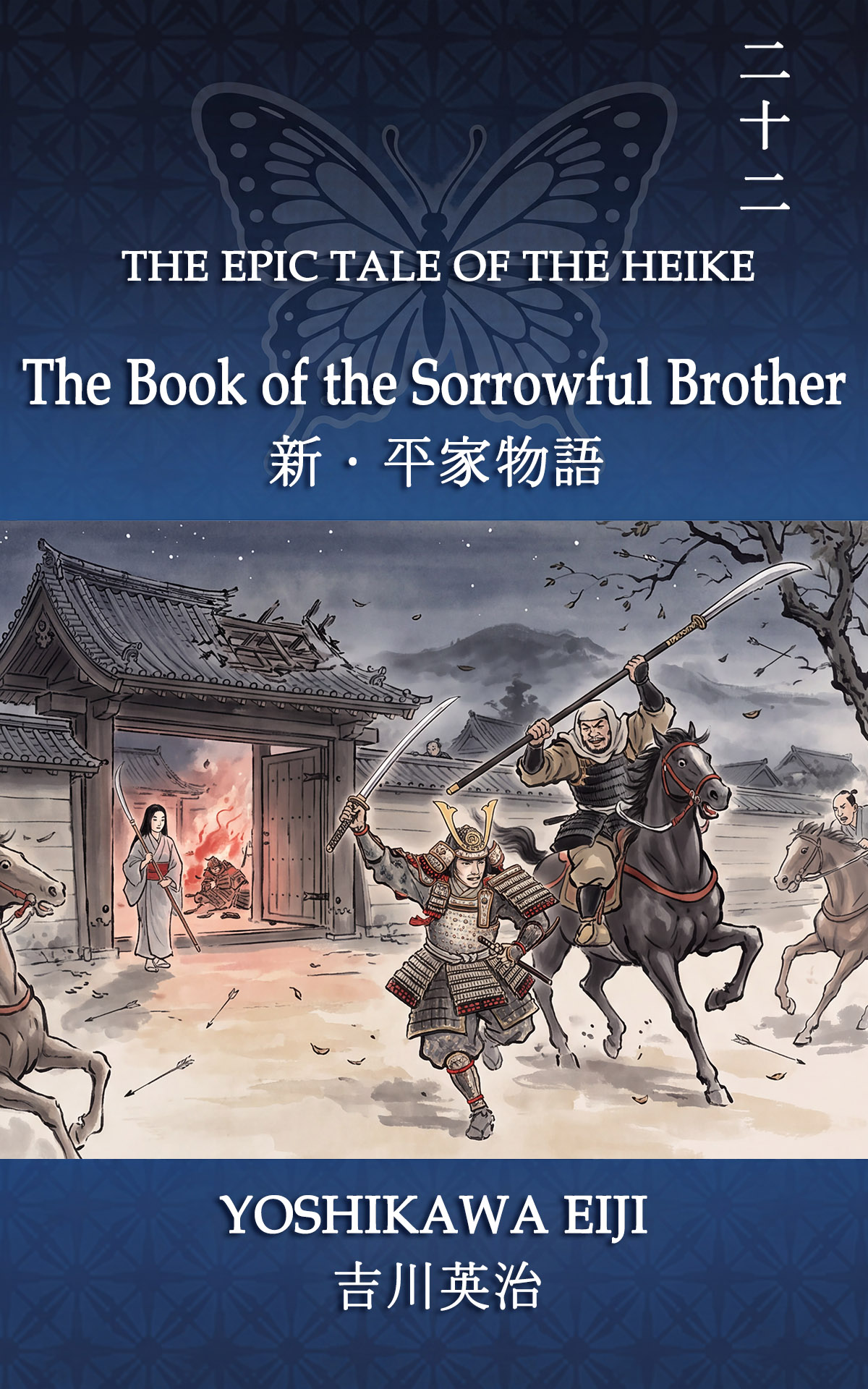
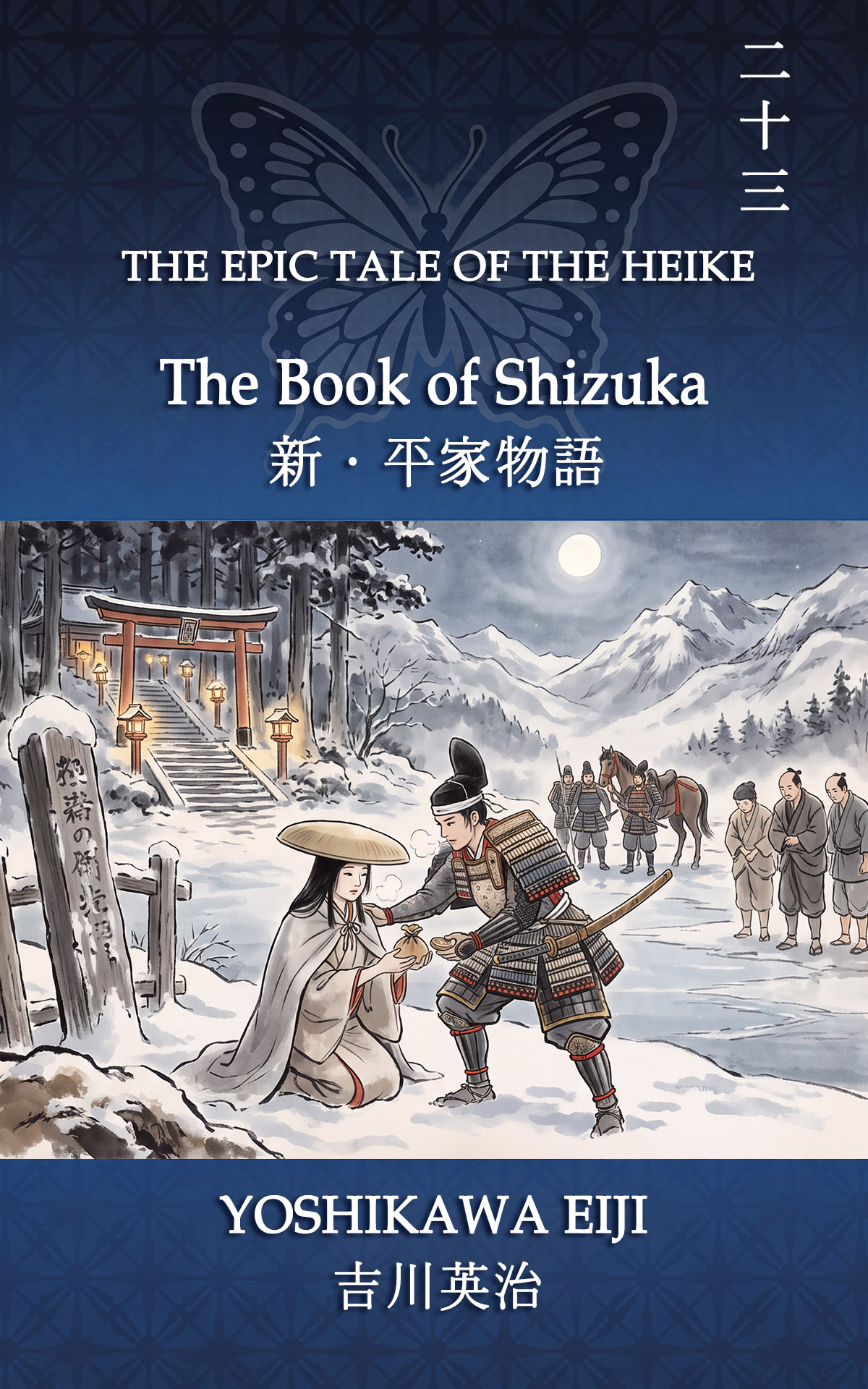
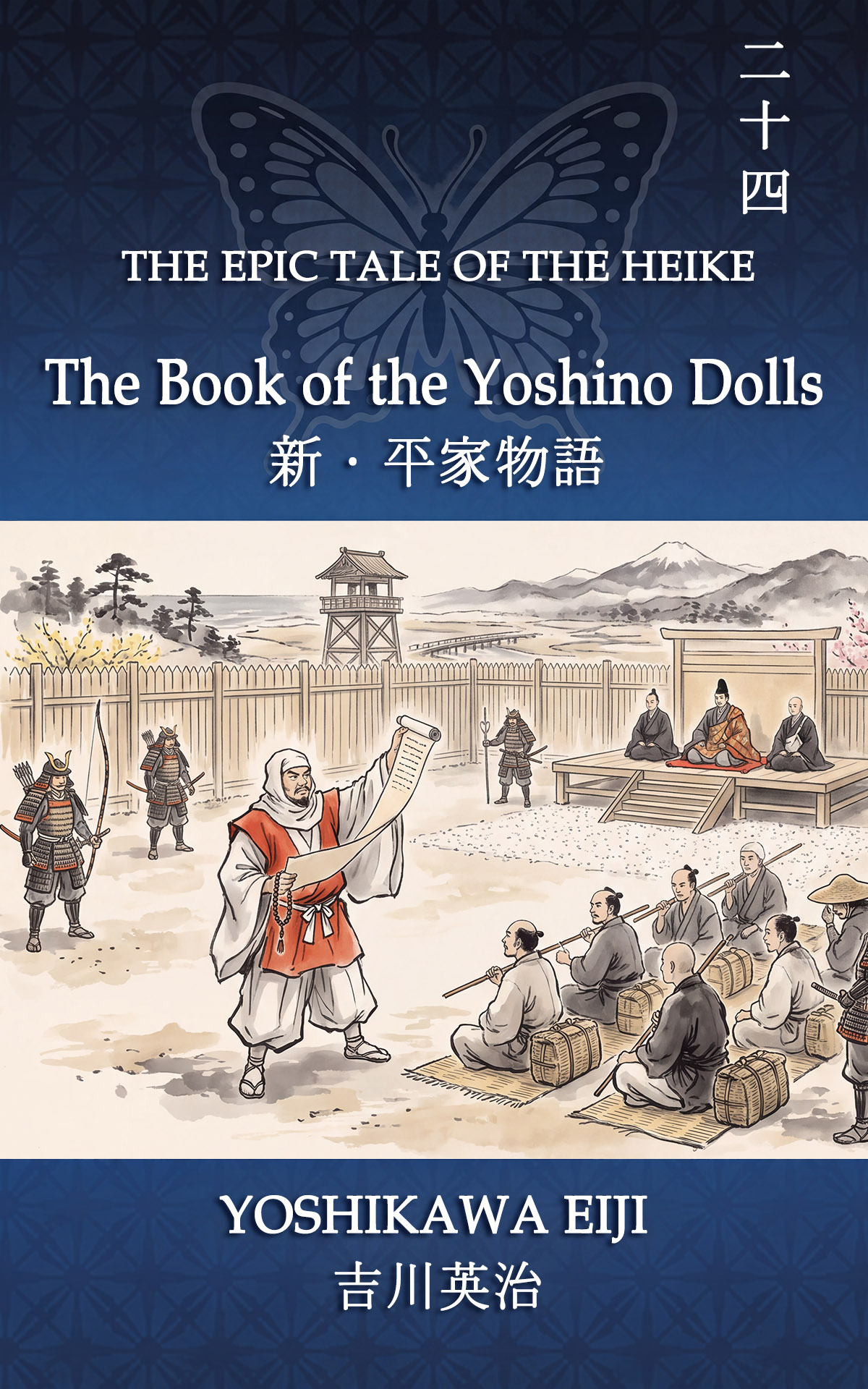
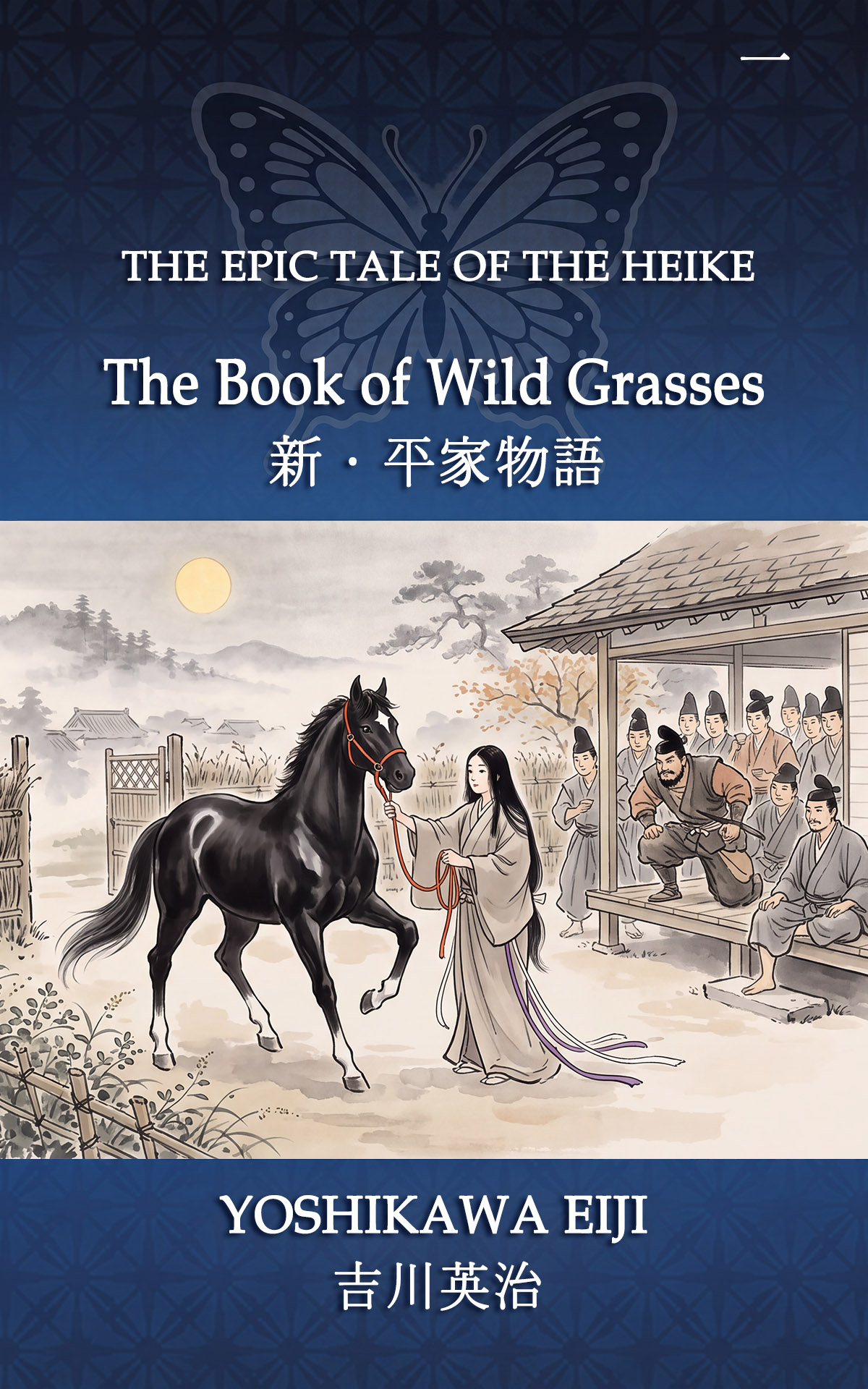
 No. 1

Series
Eiji Yoshikawa’s Shin Heike Monogatari (新・平家物語, 1950–1957) is a sprawling modern retelling of the medieval Heike Monogatari, serialized in Shūkan Asahi over the course of seven years. The novel chronicles Japan’s momentous transformation from a civilian aristocratic society to a new samurai era at the end of the twelfth century. At its center stands Taira no Kiyomori, whom Yoshikawa follows from his youth as the son of a marginalized warrior family through his extraordinary rise to become the most powerful man in Japan. Yoshikawa drew not only on the classic Heike Monogatari but also on other period sources such as the Hōgen Monogatari and Heiji Monogatari, harmonizing their plots to create a unified narrative panorama.
The action centers on the maturation, education, rise to power, and reign of Kiyomori, set against a twelfth-century Kyoto that is both magnificent and seething with disorder. Kiyomori’s clan, the Taira (Heike), and their rivals the Minamoto (Genji) are initially called upon to suppress civil disturbances on behalf of the imperial court, but their success breeds rivalry between them and ultimately plunges the country into prolonged warfare. At his prime, Kiyomori eliminates his military rival Yoshitomo Minamoto, but his dominance proves impermanent; the surviving Minamoto heirs regroup, and the cycle of clan warfare resumes with devastating consequences. Yoshikawa portrays the full spectrum of court intrigue, romance, religious conflict, and battlefield violence that defined this pivotal era.
Yoshikawa began writing this epic after the Second World War, a period during which Japan’s defeat had left him unable to write for several years. The novel served as an implicit message of resilience and renewal for postwar Japanese readers, encouraging many who were badly shaken after the war, and it became an enormous bestseller that sold millions of copies in Japan. The complete work runs to sixteen volumes in the Kodansha paperback edition; notably, the existing English translation covers only about two-thirds of Yoshikawa’s full text, ending before the climactic Genpei War that brings the Taira to their final destruction. The novel was also adapted as a 1955 Mizoguchi film and a 52-episode NHK taiga drama in 1972, cementing its place as one of the most important works of modern Japanese historical fiction.