The Cinecittà Mystery
Book 10 of Commissario De Vicenzi
From $9.99/month — 3 ebooks per month
About this book
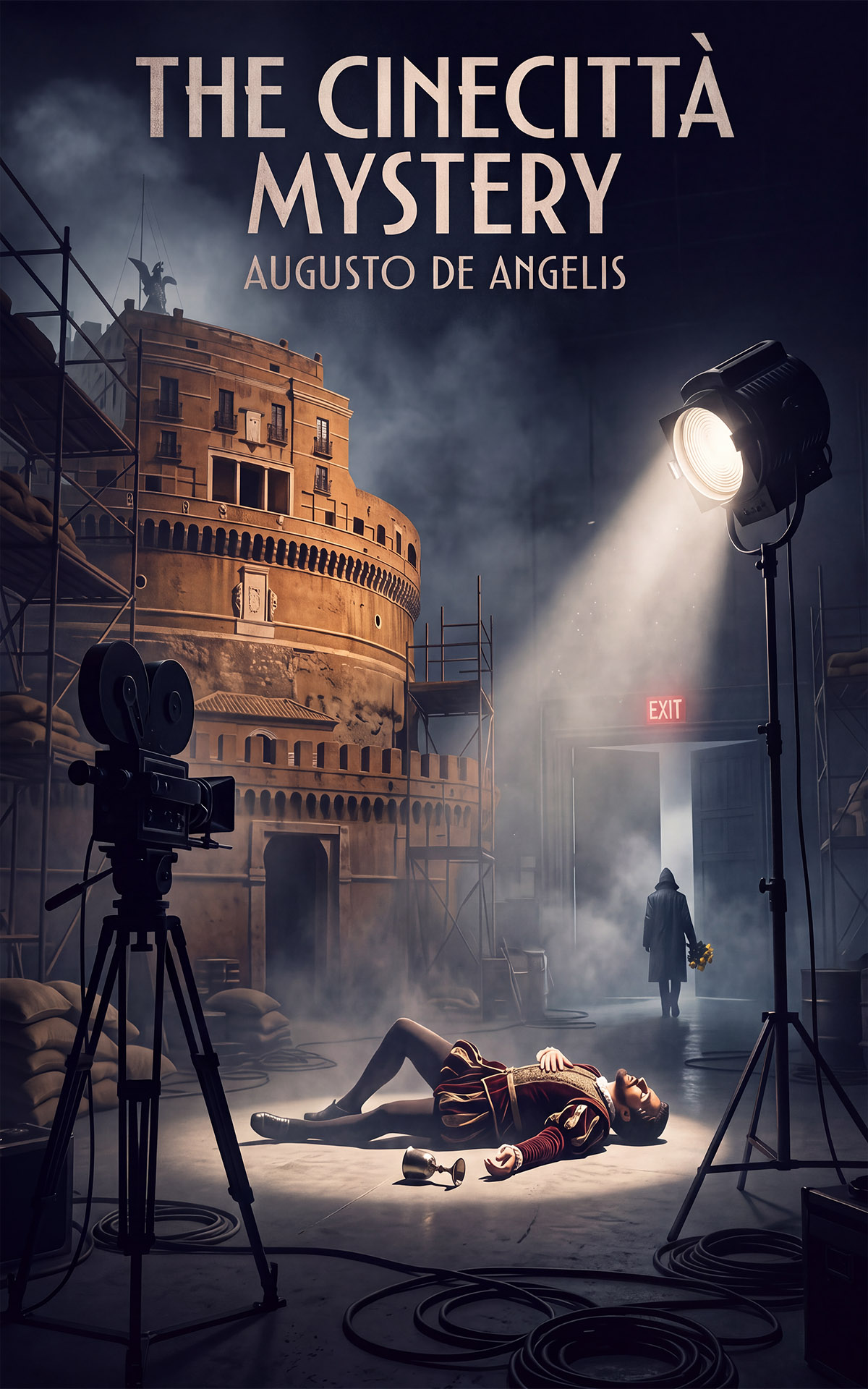
Published in 1941, The Cinecittà Mystery marks a turning point in the series: Commissario De Vincenzi has been transferred from his beloved Milan to Rome, a promotion he neither wanted nor welcomed. He arrives with his faithful old nurse Antonietta, settles into a modest pension on Via Veneto, and on his very first afternoon at the Questura is handed a murder. Vassilli Boldviski, the formidable Russian director of the newly founded Acidalia Film company, has been killed in a private apartment near Via Brescia — struck down from behind, in circumstances that make no physical sense to the investigators.
The cast is pure Cinecittà: Boldviski's estranged wife Cobina de Kergorlay and their daughter Assia; the dazzlingly handsome American actor Set Nicholson; a brooding playwright named Vergolli; two financiers, the nervous Caienni and the placid Vernieri; the haunted actress Gita Garena; a diminutive American dancer named Miss Llewellyn; and the production secretary Telma Zinger, devoted to her dead employer beyond all reason. When Nicholson is poisoned with strychnine on the set itself — dying in agony in front of the cameras while shooting a scene from their Cesare Borgia film — De Vincenzi finds himself pursuing two murders whose connection lies buried in the director's monstrous ego. Boldviski, it emerges, had planned Nicholson's death as an artistic experiment, wanting to capture a real death on film for the sake of cinematic truth. Someone else, however, had killed Boldviski first.
De Vincenzi must navigate a world of passionate hysterics, yellow roses delivered by a figure in a raincoat, and secrets that reach back across decades, while his new Questore — a man of boundless sadness and unexpected perception — watches from his darkened office. The novel ends, as De Angelis's best work always does, with the Commissario confronting not merely a criminal but the desperate logic of human passion.
- Published
- January 1, 1941
More to explore